
Choosing an Accountant for Your New Company

Helpful advice on selecting the right accountant for your new limited company. It is important to consider, price, location, services offered and reputation.
Helpful advice on selecting the right accountant for your new limited company. It is important to consider, price, location, services offered and reputation.

As of November 2020, Companies House will no longer be posting reminders of filing dates to UK registered companies. Find out more here.

We are pleased to announce that we have successfully moved into our new, fully refurbished office in Coventry city centre.

Before ordering any service, especially for the first time, it is understandable to ask why a particular service provider should be chosen. We are confident that our formation service goes above and beyond what should be expected from a company formation agent. Here are just some of the reasons why customers choose us.

Businesses are sold for a variety of reasons. Many entrepreneurs will register a company with the sole intention of selling this for a profit at a later point. In other cases the owners may be retiring or simply deciding to sell to raise capital for other opportunities. Regardless of the reason for the sale there are several important factors to consider. We have provided some top tips for selling a UK business below.

Registering a UK company need not be an onerous task. In fact, it is quite the opposite! This article will dispel some of the most common company formation myths.

There are many obvious mistakes to avoid when forming a company. Some decisions made when registering the company may seem perfectly reasonable at the time but could be the wrong decisions in retrospect. These can be less obvious.

Companies that have been struck off or dissolved can be restored. There are two types of restoration - administrative restoration and restoration by court order.
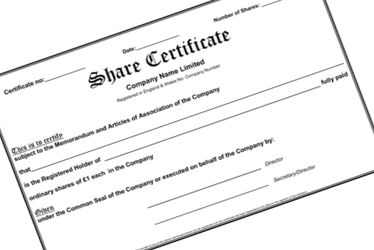
UK Limited companies have shares that are issued to shareholders. When shares are sold or transferred to another party the existing company shareholders may have rights over these shares.

The ownership structure of a limited company is characterised by the distribution of the share capital and the rights attached to the shares thereof. Differing share structures are used to reflect varying levels of input, commitment and investment from the respective shareholders.